
An Introduction to Grief Awareness Week (Exploring Games as Bereavement Support Pt.1)
Posted: 2 Dec 2025From December 2nd-8th, Safe in Our World will be joining the Good Grief Trust’s Grief Awareness Week, supporting the mission to raise awareness and encourage conversations around grief and bereavement.
What is Grief Awareness Week?
Loss is a universal experience. At some point in our lives, we will face a form of loss and the grief that accompanies it. Despite this universality, it’s often hard to find the words – or courage – to talk about it. And without opening up and getting support, navigating grief can feel even harder. So how do we start such a tricky conversation?
By opening up a space for grief, we can acknowledge and embrace these tricky topics and give ourselves permission to feel, to remember, and to support one another through past, present, and future loss.
How does grief affect us?
Although it’s something we all experience, there’s no ‘one-size fits all’ for the grieving process. Everyone responds differently, and the challenges of bereavement can look drastically different from person to person.
Some may feel overwhelming emotions and struggle with everyday tasks, whilst others may numb themselves as a coping mechanism. And just as we begin to find our footing, these feelings can shift and resurface unexpectedly. We may start to notice emotions or thoughts we haven’t felt before, or it may feel like we’re taking steps backwards. Grief doesn’t follow a straight path, and that’s totally normal.
Recognising the common challenges of bereavement can help us better understand our own mental health – reminding us that what we’re feeling is normal. Some of these challenges may include:
- Isolation: It can be hard to let others in. Shutting the world out can feel safer, and we may avoid socialising or going outside because of it.
- Fatigue: Grief is both emotionally and physically exhausting. It may feel like our minds and bodies are working overtime, leaving us completely drained.
- Dysregulation: Loss can completely disrupt ordinary routine. Eating, drinking, or even basic self-care can become difficult to maintain.
- Fear: It’s hard to comprehend the idea of life being impermanent, leading to anxiety about our own mortality or the wellbeing of others.
- Loss of Purpose: The loss of a person, role, or relationship that once gave us direction can make it hard to find the same meaning in life.
- Physical Illness: Grief not only takes a toll on our mental health, but it can impact our bodies as well. Stress, fatigue, and routine changes can weaken our immune system and leave us vulnerable to illness.
Can playing games help our mental health?
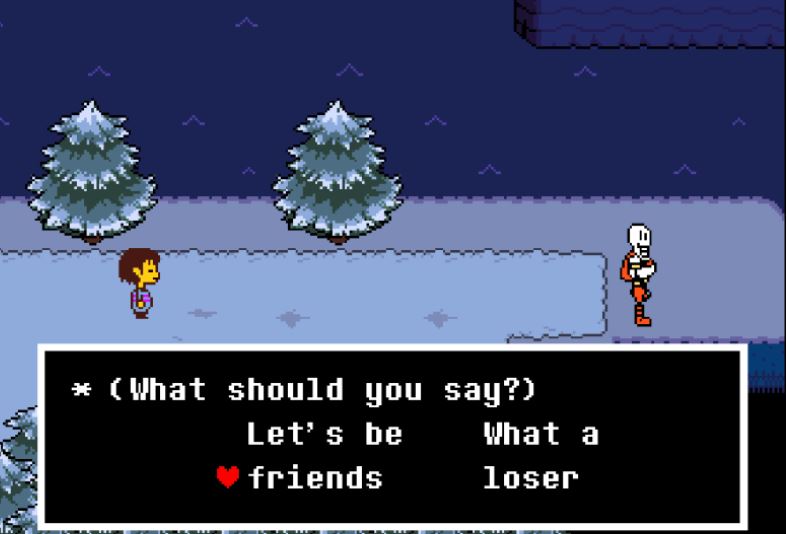
Although grief is a deeply personal experience, video games can help carry the weight. Whether it’s through distraction, escape, or catharsis, there are plenty of cases showing their impact on wellbeing.
Take Animal Crossing’s impact during the pandemic, for example. For many, the routine of nurturing an island of cosy animals and virtually visiting friends became a lifeline to those suffering with isolation. It demonstrated that video games could offer a comforting sense of stability and connection when the outside world felt shut off.
Sometimes, all we need is to feel seen. Games like Celeste and Sea of Solitude explore themes of depression and anxiety, offering safe spaces where we can reflect and engage with our emotions safely. With video games representing these difficult topics, we can reflect in a way that offers enough detachment to feel safe, whilst still confronting our feelings and experiences.
Games can also have measurable neurological benefits. It’s been known that playing Tetris has had an impact on the reduction of PTSD symptoms following tragic events. There has also been a recent rise in games that directly provide mental health first aid, wellbeing support, and self-care tips. Apps such as Finch, which encourage the player to meet daily goals to support their Tamagotchi-esque bird, can be a small nudge to maintain important habits like eating, drinking, or maintaining hygiene.
Can games help us say goodbye?
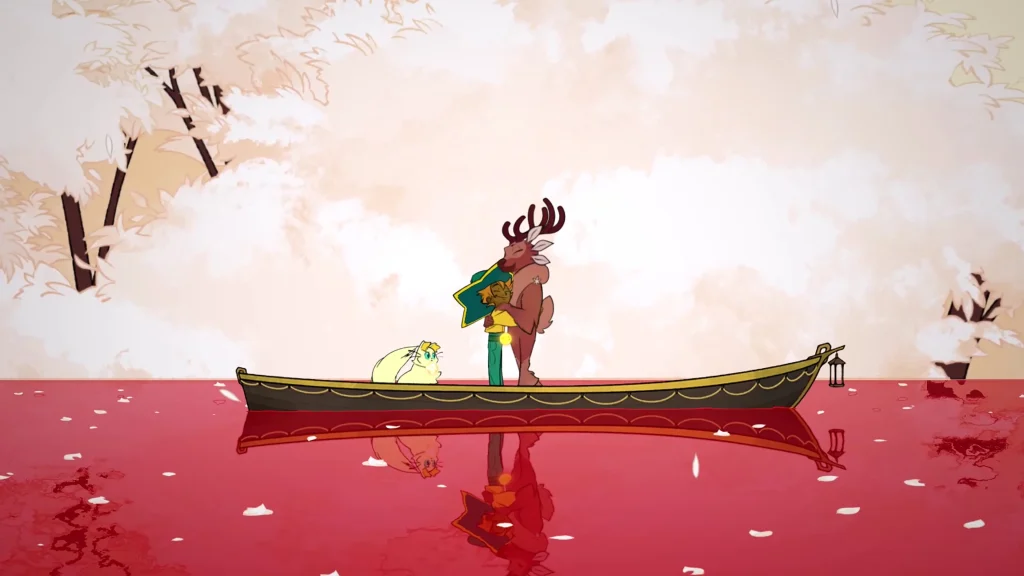
Although it’s clear that games can support our mental wellbeing – no video game can replace the love and connection of those we’ve lost. But sometimes we need a gentle stepping stone to bridge the gap between silence and reaching out.
This week, Safe in Our World will be shining a light on how games can support us through bereavement in different ways. In the next article, we’ll explore how cosy games can help us through periods of dysregulation and disruption caused by grief.
Written by Bethany Rainbird