
What Psychological Safety Means (And What It Doesn’t Mean!)
Posted: 7 Mar 2025What does psychological safety mean? It’s time to bust some myths around psychological safety in the workplace, and stop good intentions becoming bad habits!
Creating psychological safety means removing barriers to open, candid communication in the workplace. There are so many ways in which a lack of psychological safety can make a person feel too vulnerable to share something important:
- “I’ve made a mistake and need some help.”
- “I have a better idea of how we could do this.”
- “Can you explain that to me in a different way?”
- “I don’t feel like part of the team right now and it’s affecting my emotional wellbeing.”
All these would be difficult to express in a work environment or culture that doesn’t make space for the four types of psychological safety: inclusion, learner, contributor and challenger.
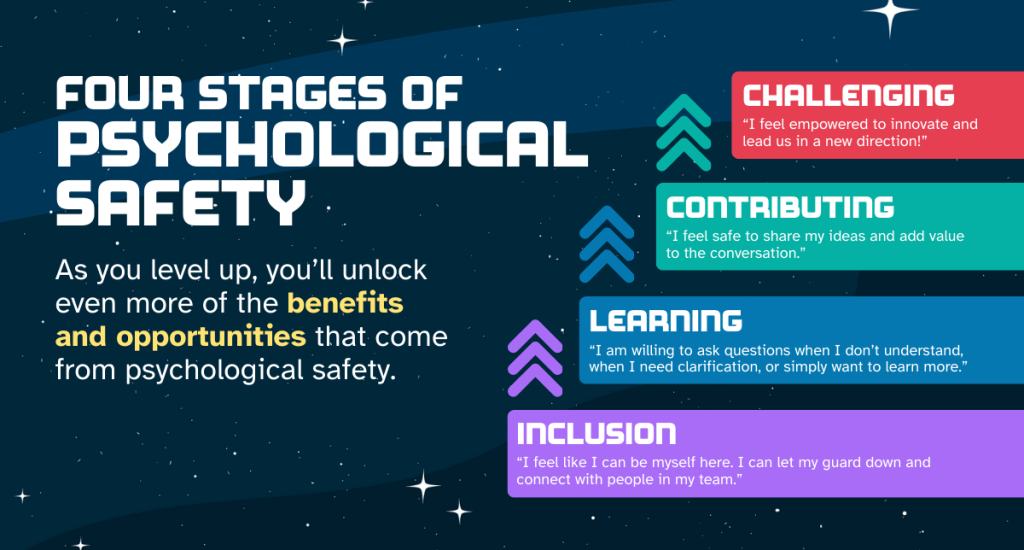
Inclusion Safety
This is where Psychological Safety truly begins. “Inclusion Safety” serves as a cornerstone to any positive workplace culture. By embracing the diversity of your team, and making colleagues or employees feel respected, included and valued, they are more likely to feel safe.
That safety allows people to feel confident in expressing themselves, their views and their vision. This leads to better communication, collaboration and even staff retention. When people feel safe to share, everyone benefits.
Learner Safety
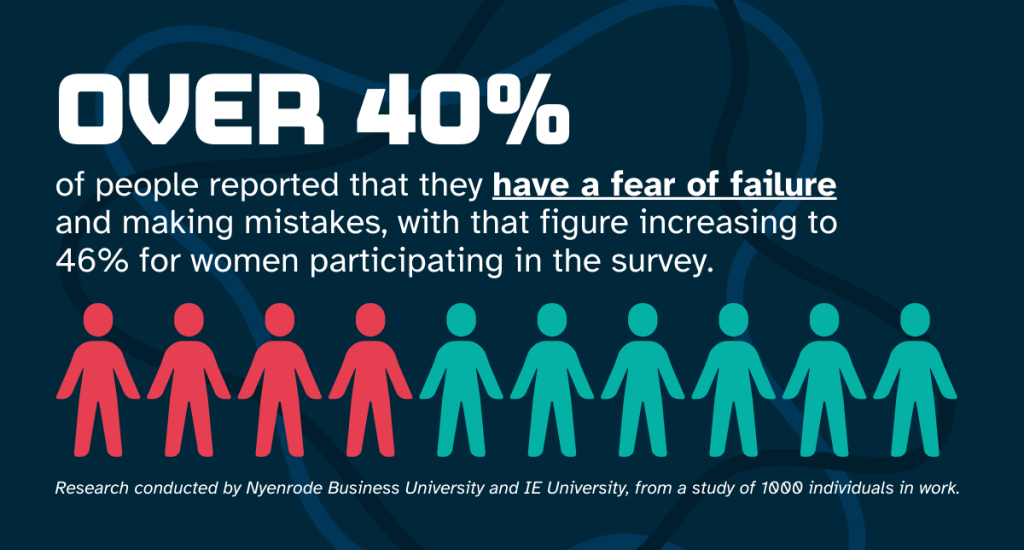
Having space to fail is a key part of the learning process. Yet so often in the workplace, we find the pressure to improve mounts, while the safety to make mistakes is absent. Failure doesn’t have to be such a negative thing!
When you have the space to fail without fear of judgement or retribution, you’re more likely to try something new, to push your limits, and develop your skillset. And when you add in effective mentoring, setting goals and skill sharing, people can thrive, and teams can learn from each other’s successes (and mistakes)!
Contributor Safety
When a team doesn’t feel safe to contribute, we miss out on some of the best ideas! Confidence is something we build on through positive experiences, where speaking up has been met with genuine curiosity or excitement.
But so many of us have also had our confidence torn down, through negative feedback or even ridicule in the workplace. It’s vital that we show people it’s safe to contribute through our actions rather than just words.
Challenger Safety
One of the most daunting things to do at work, if you don’t have psychological safety, is to raise concerns or make suggestions. Many of us are told to avoid “rocking the boat”, and a fear is instilled in us from early on that challenging the status quo can put our job security at risk.
Diversity is a strength, and diversity of perspective is a superpower. By not fostering a workplace culture that encourages healthy discussion and debate, you dismiss opportunities for growth and innovation.

Myth-busting Psychological Safety
We’re not going to tell you that creating a culture and work environment of psychological safety is going to be easy. We can’t tell you where you are on that journey, or how far you’ve yet to go. What we can tell you is what psychological safety is, and what it is not.
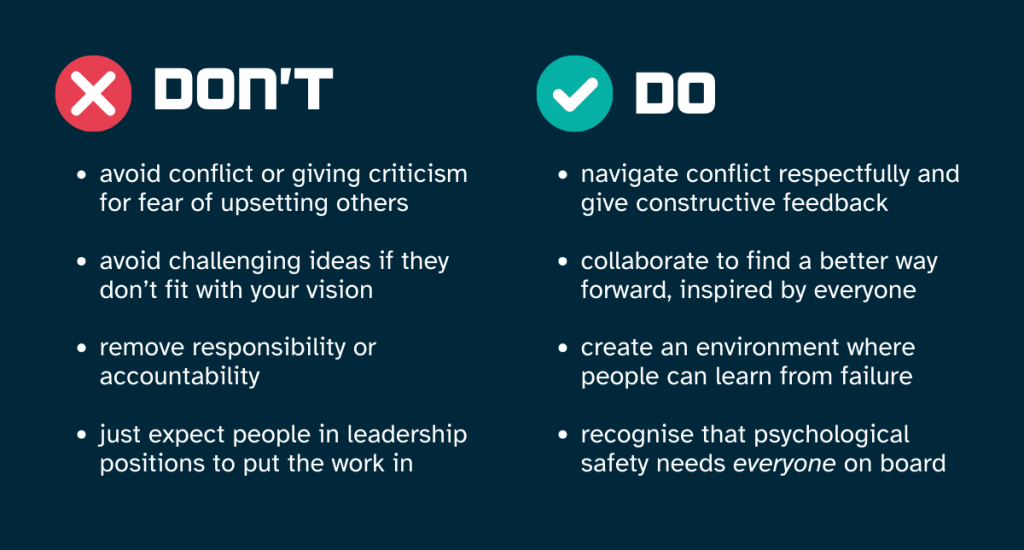
- It is not avoiding conflict or avoiding giving criticism for fear of upsetting others.
- It is not running with ineffective or irrelevant ideas simply because you don’t want to dismiss someone’s contributions.
- It is not removing responsibility or accountability in place of freedom to fail.
- It is not solely the responsibility of people in leadership positions to put the effort in to create psychological safety.
Like with most things in life, you’re not going to get it right first time. Building psychological safety is a process, and one where you’re likely going to make mistakes before you find a happy equilibrium.
- Psychological Safety DOES mean navigating conflict respectfully and productively, recognising when something can be better and finding ways to improve together.
- Psychological Safety DOES mean delivering constructive feedback and actionable criticisms, taking into consideration how a person best receives feedback and adapting to that individual’s needs.
- Psychological Safety DOES mean trying to find common ground on ideas and adopting a “yes and” approach to ideation.
- Psychological Safety DOES mean creating an environment where you set contingencies for failure, where failing isn’t punished, and mistakes can become learning opportunities.
- Psychological Safety IS everyone’s responsibility.
Implementing Psychological Safety
What comes next? It depends on where you’re at right now. The best way to evaluate that is by listening to your team – your whole team.
Encourage the quieter voices to contribute and give feedback, by making space for them to share in safety and privacy. Consider running an anonymous poll to gage how the team feels about the workplace culture, and whether they feel safe to be, learn, contribute and challenge.
And be ready to take responsibility for your own failures. Like we said before, failure doesn’t have to be such a negative thing! It is an opportunity to grow.
Level Up Mental Health
Safe In Our World is a mental health charity dedicated to ending mental health stigma and supporting the wellbeing of gamers and games industry professionals.

Our Level Up initiative exists to support companies with a wealth of knowledge, resources and toolkits – plus regular training and workshops to develop leadership skills, self-advocacy and so much more.
If you’d like to find out more about how Safe In Our World can support you in creating Psychological Safety in your workplace, please get in touch with us at hello@safeinourworld.com.
