Getting comfortable with discussions of race and queerness
Posted: 8 Jun 2026Safe In Our World talks to charity Ambassador, drag performer, and games industry professional, Monroe Botan, about how a hate crime has impacted his mental health and changed the trajectory of his life.
Monroe’s Story
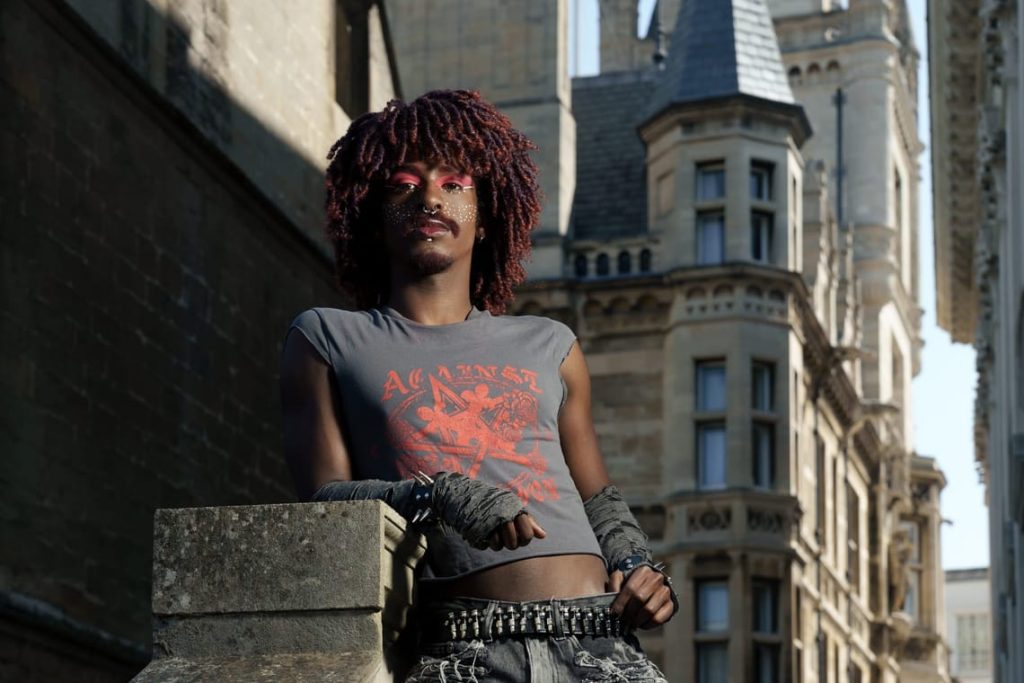
Monroe Botan, a 25-year-old game designer, Safe In Our World ambassador, and drag performer, has been making waves across the games industry and beyond in his efforts to bring racism and intersectionality back into the conversation.
After experiencing a hate crime in November 2025, where two individuals approached him and used a racist slur, Monroe reflects on his experience, noting that there were other factors at play:
“I feel there was so much more to it – my class, my presentation. My best guess is these people wanted to make fun of me… They wanted to have a joke.” Monroe explained, recalling the event. “One of them was definitely drunk! This was at three in the morning next to a nightclub; they were clearly on a night out.”
“They saw me, they clocked me, and because some people see me as being somewhat femme-presenting – I was wearing a crop top – they thought I was a good target. Black men who are tall and ‘scary-looking’ don’t get as much of this, compared to femme black people, because white people are just too scared to be racist to their face.”
“If I had been a six-foot-tall Black person, and they’d used that slur with me, I think there’d be more fear – but there was no fear in them. I’m 5’4”, and to them I seem feminine.”
Understanding the effects of intersectionality
Monroe feels that intersectionality and social identity are topics that need far more attention – especially in the games industry.
“It’s the intersectionality between race, class, and sexuality that people seem to forget about. In this hate crime, it felt like all three of those factors played a part.” Monroe says. “If one of them was taken out, you could argue that it wouldn’t have happened.”
“I noticed my friend, who is trans, gets a similar kind of treatment. It’s this idea that being queer right now is this stick that you can just bash people with. Our queerness emboldens them to do what they do, and say what they say.”
The lasting impact of a hate crime
After reporting the hate crime to local police, Monroe shared his ordeal on Instagram (as drag performer Guillotina), going viral for his unfiltered take on what happened and the wider issue at play.
“I’ve spent every single day since that hate crime doing something about it.”
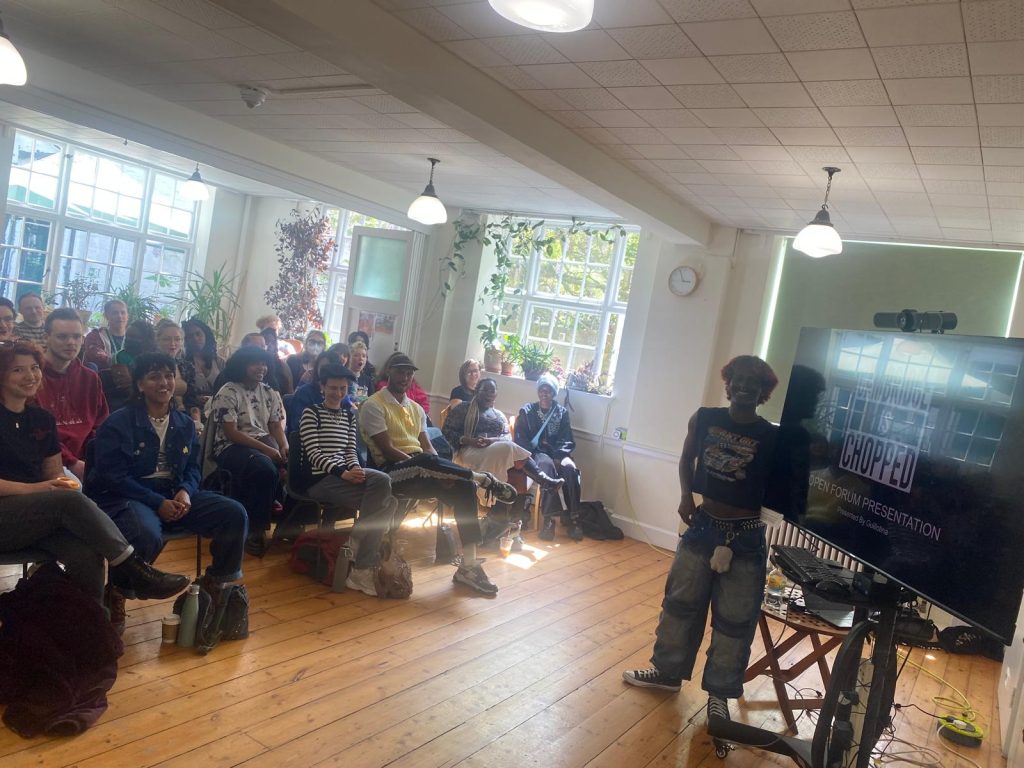
Having realised how impactful his story was, Monroe launched a movement called Cambridge is Chopped to collect and amplify experiences of racism and demand greater accountability!
“I’ll go and meet friends now, and we’ll discuss it. I feel like I can’t really talk about anything else. I feel uncomfortable not speaking about it… I went to a party a while ago, and just thought about going home and working on the movement.”
Monroe describes coming to a crossroads: “I had two choices. I could let this go, let the heat die down, and focus entirely on my mental health – letting this become an isolated incident and moving on with the rest of my life… Or, I could see this as an opportunity for change.”
“I made my choice; it felt destined. I knew I was going to spend every single waking moment on this. And here we are!”
Self-care and self-advocacy
When asked about how he balances looking after his wellbeing, particularly his mental health, while also working diligently on his movement, Monroe points towards therapy and community work.
“I think I’ve gotten myself to a healthy place again, following all this. I’ve been working with my therapist, and I’ve seen them weekly to discuss what’s been going on. I’ve also spent time helping this queer POC support group in Cambridge get started.”
Monroe also shares his advice to others who might have experienced a hate crime or faced prejudice, saying, “You should consider speaking to a professional. I personally didn’t have a support system, but if you do, and you feel you can reach out to those people, I’d say that should be the first thing you try.”
“I’d also say, let yourself feel those emotions. You know, it’s okay to need time to process, to not do anything for a week and just be sad or angry. You can sort out your productivity and your work stuff once you’ve sorted through the fact that something like this actually happened to you.”
Monroe continues, “As a queer person of colour, I think it’s very easy to just let it slide and pretend that it’s not a big deal, when in actuality it absolutely is a big deal. It’s a massive deal. We just need one person to be like, “What you’re feeling is real, and what happened to you is messed up, and it’s perfectly okay to just cry in your bed for a week straight.”

Normalising discussions around race and queerness
Safe In Our World’s mission centres on normalising discussions about mental health to reduce stigma and encourage people to seek support when they need it. Monroe advocates for the same approach to race and queerness.
“Every time I talk about my story, I’m normalising having this conversation. I can sit in a room full of complete strangers and talk about this. Racism should not be an uncomfortable thing to talk about!”
“In the games industry, it’s beneficial to not speak about your plights as a person of colour,” Monroe says. “It’s like you gain job opportunities by almost pretending that you’re only black by the colour of your skin, and not the problems you face, deal with, because you know that to get into the in-groups, you have to assimilate.”
Monroe’s story is not unique, which is why he’s made it his mission to amplify other lived experiences of racism, and demand accountability so we can put a stop to hate. In Monroe’s words: “I’d rather change the world than fit into the current one happening right now.”