Let’s Talk About Tinnitus
Posted: 23 Aug 2024I have hearing loss in my right ear due to noise exposure that damaged my auditory system. Unfortunately, a past version of myself loved listening to rock music incredibly loud through headphones and never protected her ears when in loud environments.
Because of this, my hearing loss caused chronic tinnitus in my right ear in October 2018, and it has been with me ever since. Tinnitus is the perception of ringing or buzzing in one or both ears without an external sound source. It is the first thing I hear when I wake up and the last thing I hear when I go to sleep.
Habituation arrived relatively early at first. This is a process in which you can become accustomed to the tinnitus sound to the point that it does not cause distress or interfere significantly with daily life. This was surprising considering how pessimistic an online search of ‘tinnitus/ will tinnitus go away/ how long does tinnitus last’ is. For some reason, at that point, the words ‘chronic’ or ‘incurable’ didn’t faze me
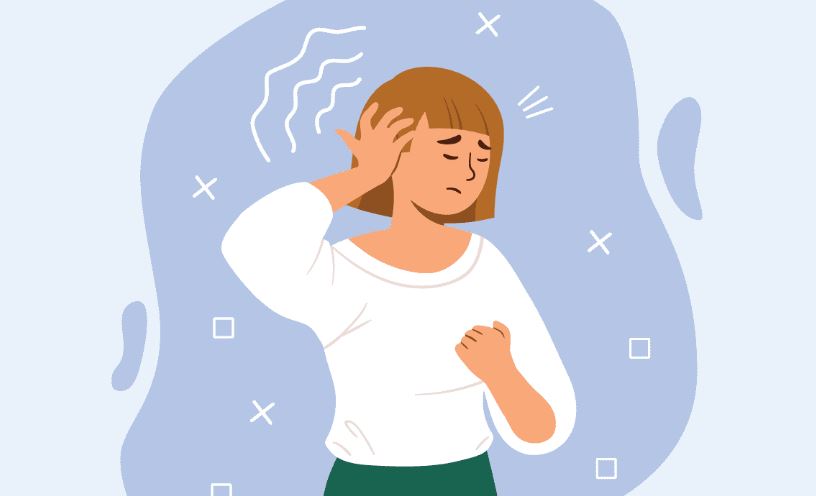
Jump forward to April 2021, I was awoken one morning in the most jarring way, my tinnitus had suddenly spiked to a level I had never experienced before. My heart was beating out of my chest with worry, and my fight, flight or freeze mode went into overdrive. Over the next few months, I refused to let my limbic system settle. I cried with a mixture of fear and anxiety every single day, I had stopped eating and socializing with my friends. I struggled to speak to anybody about my issue as I feared they just wouldn’t understand – ‘a problem shared is a problem halved’, I simply refused to accept this notion.
It goes without saying, the way our brains work is fascinating. Neuroplasticity is the brains’ ability to reorganize itself by forming new neural connections by strengthening or weakening existing synapses (the connections between neurons), as well as creating new ones, enabling itself to modify its structure and function based on experiences and learnings – this can be an absolute nightmare for someone with tinnitus. The more I was thinking about the tinnitus, the more intrusive it became, this being caused by the maladaptive neuroplasticity. My brain was essentially learning and reinforcing the tinnitus, making it harder to ignore, which in return caused greater anxiety; it was a vicious cycle. Everything revolved around my tinnitus. To put it lightly, I was developing the ideology that I was no longer compatible with life.
It was time to get to work:
- I spoke with my GP who prescribed me beta blockers (Propranolol) to remove any of the physical side effects I was having, a tactic that prevents the adrenaline response for anxiety.
- I started sound therapy. My loved ones have since come to accept that if they come to my house, they will be greeted with the lovely hum of various white noise machines planted around different rooms. Sound therapy is a brilliant way to mask the noise of tinnitus.
- I started practicing the art of gratitude. This is very important when you have tinnitus as it shifts your brain’s focus and fosters a more positive mindset, enhancing emotional resilience and supporting the habituation process. It’s using the notion of neuroplasticity, but in a positive way!
- I made more of a conscious effort to protect my ears when in loud environments, whether that was at concerts, at networking events, on nights out, or even in loud restaurants. Loop Experience earplugs have been an absolute life saver and I couldn’t recommend them enough.
- I went to see an Audiologist who prescribed me a hearing aid. The additional external sounds amplified in my ear lessens the severity of the tinnitus level, although, admittedly, I only wear my hearing aid when I am having a particularly poor day with my tinnitus.
I do really want to emphasize the importance of protecting your ears. Once you damage the hairs inside of them, they do not regenerate, it is an irreversible process.
Over time, habituation slowly crept back into my life, the ringing in my ear didn’t seem as… scary. ‘I have tinnitus, but tinnitus does not have me’ is a quote that a lot of the tinnitus community will have heard of. As cheesy as it is, it’s totally true. Gaining a deeper understanding of how neuroplasticity works within our brain helped me realize the importance of breaking feedback loop cycles for negative thoughts surrounding my tinnitus, and that is why I developed the above plan to help me get my life back on track.
Being able to appreciate life more whilst having tinnitus is important as it helps counterbalance the challenges that the condition can bring. This entire acceptance process is humbling to reflect on, even now as I write this in 2024, I am sitting in a deadly silent room without any white noise machine with my tinnitus being the only thing I can hear – it doesn’t bother me one bit. I am so proud of how far I have come.
In a way, I’m thankful for the lessons I’ve learned through my tinnitus. I’m a stronger person than I realize and give myself credit for. To me now, the ringing in my ear reflects this. It’s an internal symbol of my perseverance and willingness to not only accept life, but embrace it.
Written by Chloe Sinclair
HR & Training Coordinator, Fresh Seed

