
Reconnecting with the world through games (Exploring Games as Bereavement Support Pt.3)
Posted: 4 Dec 2025Our exploration of grief and bereavement continues as Bethany Rainbird leads the conversation for Safe In Our World this Grief Awareness Week (Good Grief Trust).
Withdrawing from the world
During bereavement, isolating ourselves can feel like the only answer to keeping ourselves safe – a way to protect ourselves from further harm. It’s a perfectly natural response that gives us space to process, rest, and simply exist without any external pressures.
We can control what parts of us we share, how we appear to others, and how much energy we spend. Not to mention, withdrawal can mean:
- No risk of being overwhelmed
- No questions we might not be ready to answer
- No pressure to “hold it together”
- No expectation to be vulnerable or share how we feel
- No self-doubt whispering that we’re a burden or don’t belong
Staying in our cocoon can feel restorative. But it isn’t permanent. When the time feels right, gently reengaging with the world helps us restore our routines, purpose, and self-esteem. There’s no need to rush; we can take everything at our own pace.
Overcoming social isolation
When we do feel ready to reconnect, the idea of socialising can feel pretty daunting. But games can be a great way to break the ice and re-enter our social circles after time away.
If you’re supporting someone through grief, it’s best to offer a gentle presence. Simple, no-pressure invitations to just ‘be’ with another person can remind them they’re not alone without making them feel they have to perform. Again, games can offer a great way to break the ice, whether it’s just having a way to come together, chat, or bond over a mutual interest.
Board Games (Digital or Physical)
Board games have always been an excellent excuse to bring people together – playful, familiar, and structured. By encouraging interaction and a shared focus, the game can take the lead, not the grief. Getting together for a board game night, or even playing through games like Tabletop Simulator, can be a great icebreaker and distraction from what’s going on.
Multiplayer & Online Games
Similarly, online games can bridge physical distances and encourage low-pressure social connection. Logging on doesn’t need you to smile or small talk; you can focus on small tasks like questing together in World of Warcraft, building in Minecraft, or farming in Stardew Valley.
This low-pressure companionship helps remind us that people are there for us. Even asynchronous games like Words With Friends can be a small reminder that people are thinking of you (even if they are beating your score!).
Speaking to Characters
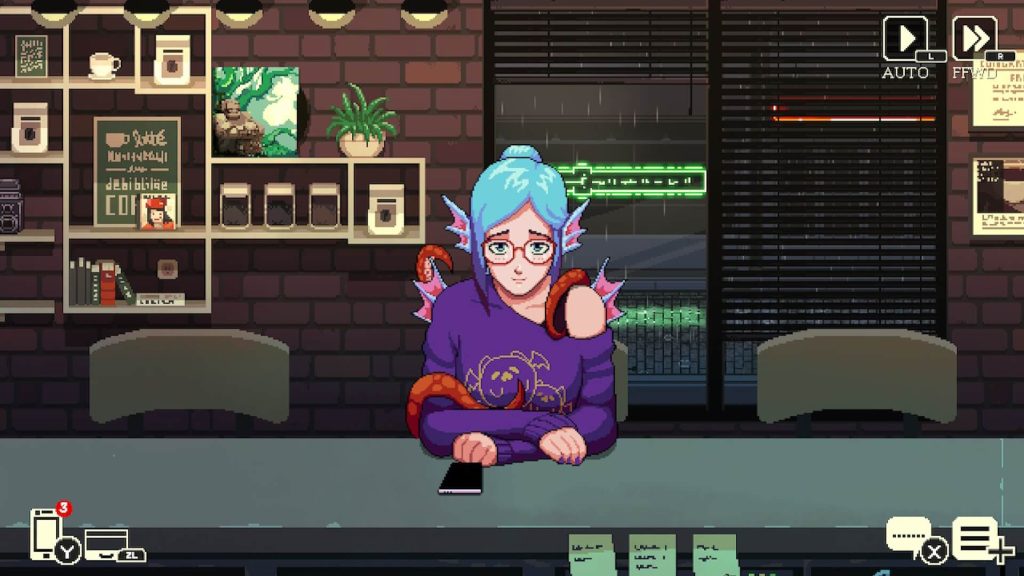
Strong character writing may not be enough to replace genuine social connection, but interacting with our comfort characters can help us rehearse. For example, striking up a conversation in Coffee Talk or chatting to villagers in Animal Crossing can reintroduce the rhythm of social interaction.
Just remember that these parasocial interactions shouldn’t replace real relationships. They should be used as a method of support and practice, rather than a complete replacement.
Voice Chat
Voice chat is another technique that should be used cautiously. Jumping into chaotic Call of Duty lobbies may not be the best when feeling emotionally fragile. But when used calmly and carefully, just listening to other people can remind us that we’re not alone. Feeling like you’re part of a conversation without needing to say a word can ease us back into real-life socialising.

Overcoming physical isolation
Grief doesn’t just distance us from others, it can also distance us from ourselves. Feelings of dissociation can stop us from looking after ourselves or venturing into the outside world. Games can ground us back within our bodies and encourage us to get moving again.
Staying active
Before a loss, you may have consistently been going to the gym, attending fitness classes, or playing sports. It can be hard to imagine breaching that again, especially when our inner voices may be unkind to our bodies. Using fun fitness games that don’t feel like a workout can help distract us, whilst also offering a way for us to exercise. Games like Ring Fit Adventure, Beat Saber, or Just Dance can help relieve the pressure of ‘working out’.
Getting outside
We’ve mentioned that simple tasks can feel impossible, and stepping back outside for the first time can feel exactly like that. Rewarding movement and going outside through games like Pikmin Bloom and Pokémon Go can incentivise daily movement with ambient goals. Apps like Seek or Merlin Bird ID can reward curiosity about the world around us through identifying nature. It brings that buzz of virtual adventure into real life, and immersing yourself in nature can have plenty of benefits too!
Growing with Grief
This year’s Grief Awareness Week focuses on the theme ‘Growing with Grief’. The Good Grief Trust are encouraging people to plant seeds, and share their growth online – both the plant, and your own personal growth since a loss.
Nurturing something physical and real can help bring those in-game practices of nurture to life, and offer a sense of reward as you watch it grow. Seed packets can be purchased directly through the Good Grief Trust to support the charity, but you can have a go with whichever seeds you’d like.
Rejoining the world
Like the grieving process itself, reconnection is a gradual process that doesn’t happen all at once. But each step we take towards it, whether it’s playing games with friends or catching Pokémon outside, can help re-establish our sense of belonging.
As we rejoin the world, we start to learn how to live alongside our loss. But this doesn’t mean we have to forget or push things away to carry on. In our next article, we’ll be exploring how we can create meaning and memories of those we have lost through remembrance and ritual.