
Safely engaging with mortality through video games (Exploring Games as Bereavement Support Pt.5)
Posted: 6 Dec 2025Grief Awareness Week is coming to an end, and Bethany Rainbird rounds off this content series about games as grief and bereavement support by exploring mortality, closure and catharsis when experiencing loss.
Unanswered questions
The concept of death can leave us with all kinds of unexpected feelings, fears, and unanswered questions. As the final entry in our Grief Awareness Week series, we’ll be exploring how games can help us safely engage with the topic of mortality at our own pace.
Experiencing grief first-hand can completely change the way we interact with and perceive death. It suddenly becomes tangible and real. Even well-meaning discussions can feel triggering, perhaps when they didn’t before. There’s no right or wrong way to discuss death, and everyone will have differing comfort levels regarding it. But research suggests that having these conversations can help us cope when it arrives in our own lives.
That’s why finding alternative ways to explore the subject, without pressure or expectation, can help us rebuild that emotional understanding in a way that feels manageable. Approaching death through something creative and interactive can gently guide our understanding, offer a sense of closure, and even ease some of the fears we have around it.
Comprehending mortality with games
That’s where games can help us. By offering an outlet for us to explore mortality in ways that are interactive, symbolic, and entirely optional, we can engage when we feel the time is right. Whether through quiet reflection or head-on confrontation, games offer agency to tackle such a tricky subject.
Games offer a safe space for us to engage with mortality: one where we can pause, reflect, and withdraw at any time.
Like other forms of art, they break down big emotions in digestible ways. Through play, we can begin to explore tough feelings and prepare ourselves for those difficult concepts or questions.
Preparation without Confrontation
In Spiritfarer, for example, you ferry souls to the afterlife, saying goodbye only when you’re ready. There’s no rush, and you can continue sailing with them for as long as you’d like. You offer them comfort, reassurance, and listen to their tales of life and beyond.
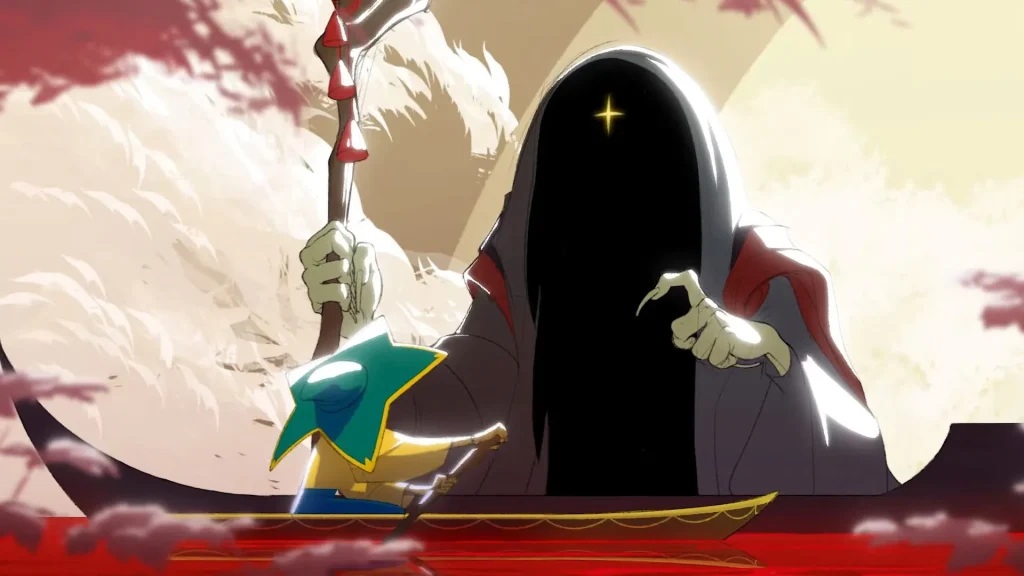
It can be hard to let these spirits go, but you help them find peace and learn to move on together. These types of games can remind us that letting go doesn’t have to be immediate. We can take our time to prepare, even if it is in a fictional world. The kind of control games can provide can be empowering and healing in itself.
Finding Closure
Death is extraordinarily abstract, and there may never be a concrete answer to ‘what happens next?’. For some, that uncertainty can cause a lot of anxiety and prompt a need for closure.
If you’re spiritual or religious, you may seek closure through your beliefs and find comfort in that. For others, it might look a little different – like through reflection, legacy, or connection.
No matter your beliefs, it’s important to work through that need for closure in a way that works for you; you shouldn’t have to feel pressured to reflect or grieve in a certain way.
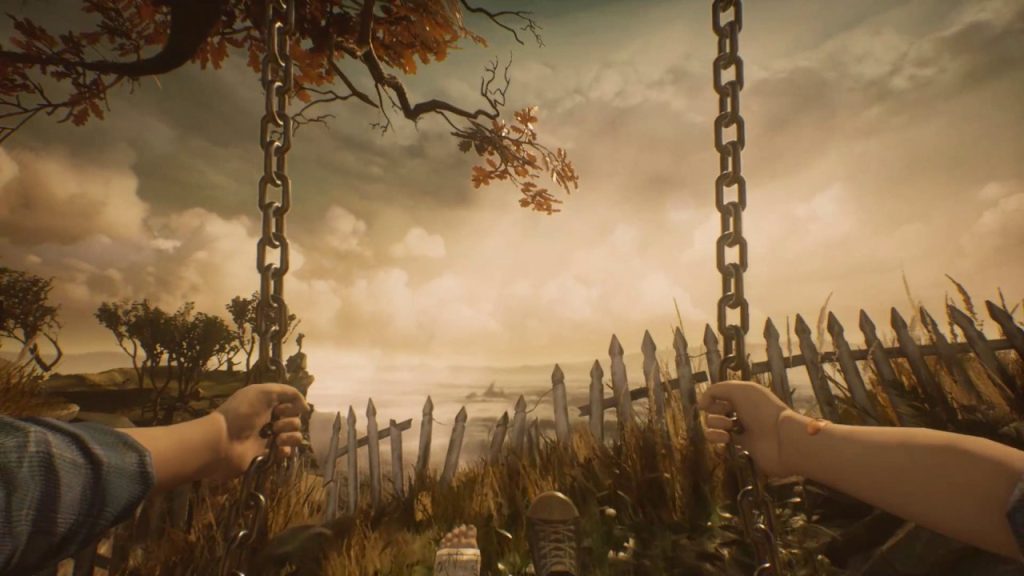
Titles like What Remains of Edith Finch encourage us to find beauty in memory, legacy, and the stories we leave behind. Closure doesn’t always mean understanding that life has ended; it can mean recognising that life continues on, just in a different way. We may not know these concrete answers, but we can find comfort in our own answers and our own forms of closure.
Acceptance and Understanding
The idea of impermanence is uncomfortable, but something we all share. It’s universal, ambient, and a truth that many of us only face when we’re forced to. Avoiding thinking about it is perfectly human, but learning to accept and understand what lies ahead for us all can be healthy for moving past these fears.

Games such as Gris or Endling: Extinction is Forever express this idea with much empathy. They help us accept the fleeting nature of life through art and symbolism, reminding us again that just because something has ended, it doesn’t mean it no longer has meaning. Life is transient, yes, but its transience is what makes every moment important.
Catharsis
Releasing that bottle of emotions can do us some good. Whether it’s a good cry, scream, or even a laugh, allowing ourselves to feel an emotional release is important for our ability to regulate our emotions.
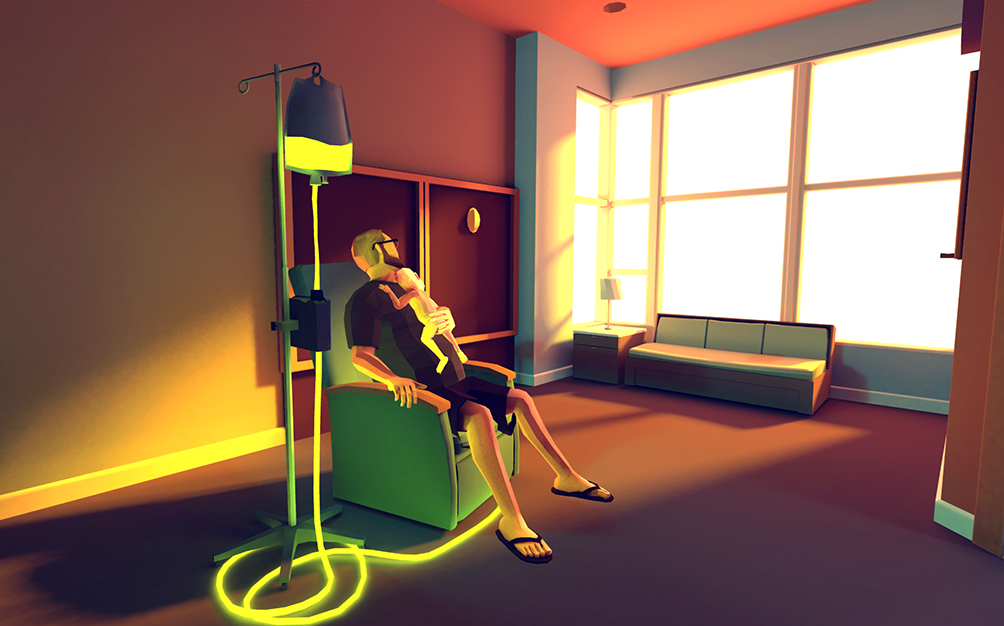
Titles like Before Your Eyes and That Dragon, Cancer don’t just cover the topic of death. They allow us to live those stories of love, family, and everything surrounding loss. They can be emotional to play, but that release and pain often gives way to understanding that we’re all human. Caring is what keeps us connected to other people, both those that we have lost and those still with us.
Dark humour
Not all ways of engaging with death as a topic have to be deep or heavily profound. It can feel easier to approach it with humour, absurdity, and distance. We should allow ourselves to feel all of those emotions – even the ones that might feel a little odd for us to express in the moment. You may hear some people say that they don’t want people to mourn them after they die; they want their life to be celebrated. For those who are left behind, it can be hard to follow that instruction.
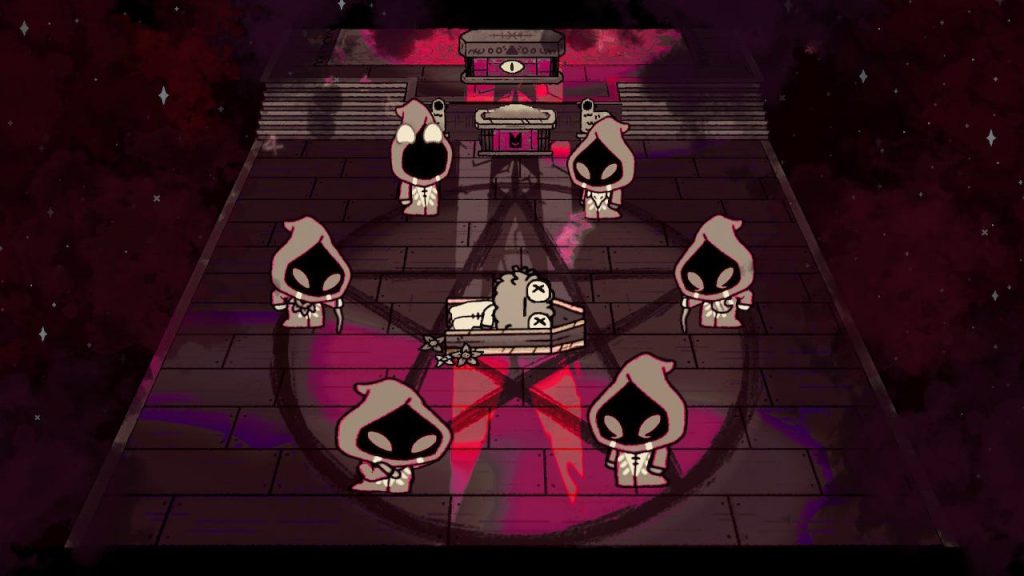
Games like Have a Nice Death and Cult of the Lamb bring a little bit of levity to an otherwise unsettling topic. Making death into something ridiculous and playful can take that sting away, momentarily disarming it and turning something frightening into something more light-hearted.
Grief Awareness Week 2025
All things must come to an end – even this Grief Awareness Week series. But the conversations about mortality, grief, and bereavement don’t have to.
Death will always be difficult to talk about. It can feel intangible and impossibly far away until that moment when you’re facing it. Engaging with mortality on our own terms can help us make peace with it. Whether you’ve already experienced loss, or are anticipating loss, or maybe it’s something you’ve never even considered before – these feelings can be intensely complicated. But letting ourselves talk, feel, and consider can help us start to understand.
Using games can be a tool to do exactly that. They offer agency when we otherwise might feel powerless. They offer reflective spaces when everywhere else may feel too chaotic. And they offer comfort when grief feels too heavy to deal with. Through stories, mechanics, art, and emotion, games hold life within them and remind us that it’s worth playing to the very end.
Written by Bethany Rainbird