How The Witch’s Bakery Supports Emotional Healing with Food
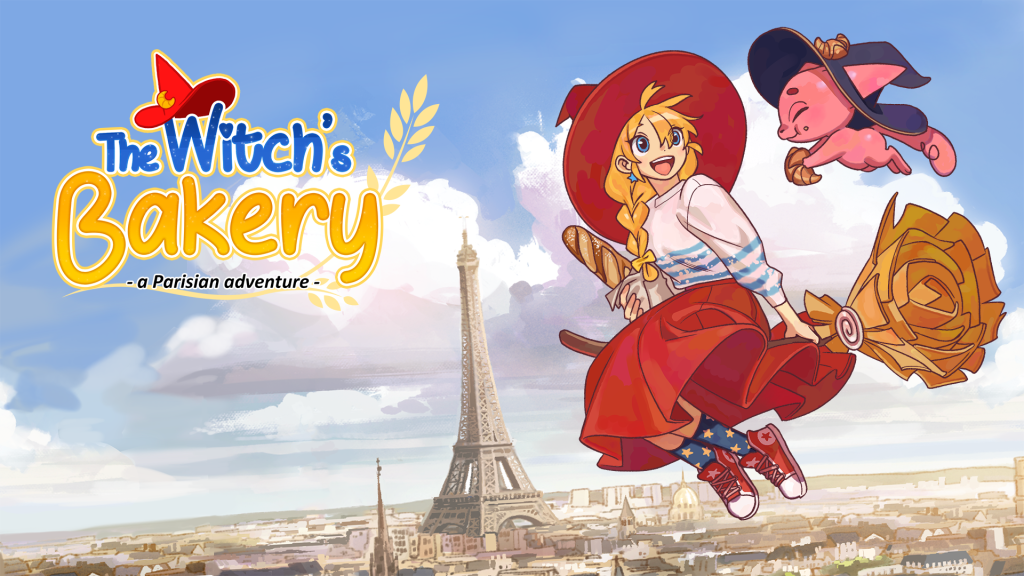
Posted: 16 Oct 2026The Witch’s Bakery by Sunny Lab lets you step into the shoes of Lunne, a magical baker, fresh to the streets of Paris, ready to heal the emotional aches of her Parisian patrons.
Safe In Our World spoke to Charlotte Gailledreau (Co-founder and Creative Director at Sunny Lab) about their approach to navigating mental health topics through the medium of food. Food is a language quite unlike any other. It’s a way to show up for someone who’s struggling, requiring no words yet still communicating how much you care.
A warm loaf of bread, a tray of fresh cookies – baking is a tangible gesture that says, “I wanted to do something for you.”
Bonding over pastries
Did you intend for baking to become a metaphor for emotional healing when designing the game, and what did it allow you to express about caring for others through food?
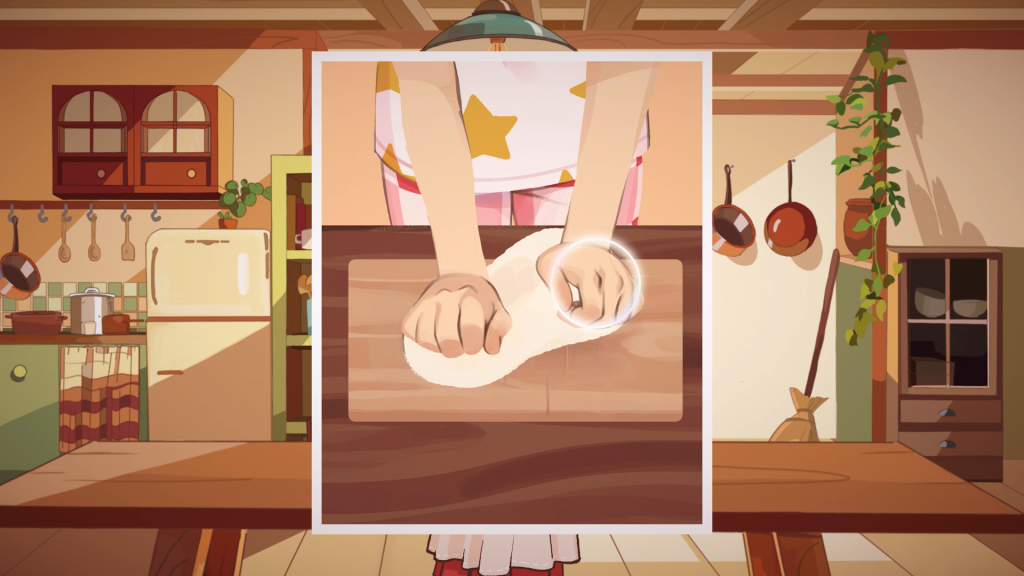
Some of the most important moments in our lives happen around food. Whether it’s a birthday, a romantic dinner, a family celebration, or saying goodbye to someone, food has always been there for us, during both happy moments and the most difficult times.
I remember many conversations with my mother while we cooked together. I also remember all the chances Hugo and I had to connect and share while working on The Witch’s Bakery, sometimes simply while going to the bakery to buy pastries.
Food brings people together. When you prepare something for someone, you are really saying, “I’m thinking of you” or “I want to take care of you.”
“Food became a way for us to talk about care, listen to others, and help people through small acts of kindness.”

Exploring emotions beyond abstract terms
In the game, emotional trauma takes physical form – whether it’s anxiety, grief, or being physically weighed down by past regret. What was your design process for turning mental health struggles into interactive, physical spaces?
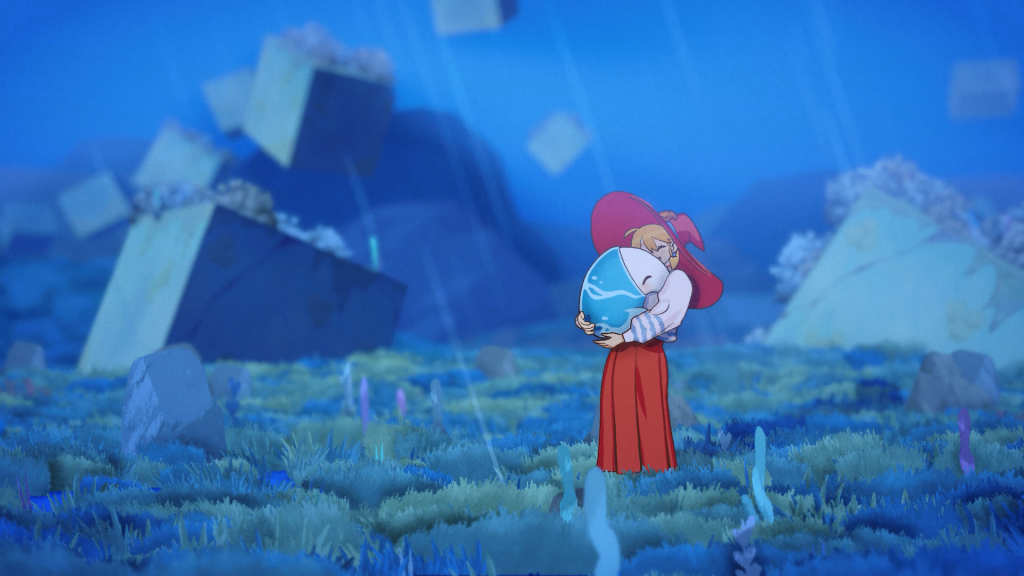
Each chapter focuses on a repressed emotion stemming from trauma experienced by one of our main characters.
Once we chose the emotion, we took time to think about what it meant to us in terms of colors, textures, shapes, and environments. It’s easy to imagine sadness as an endless ocean, or anger as a world in ruins, consumed by flames.
But we didn’t want to represent these emotions only in abstract terms. So, we created the remains of worlds built from our characters’ memories. The emotion colors a world that already exists in their personal history. This also showed that two people can experience the same emotion in completely different ways.
“There is no single way to represent sadness, anger, or fear. These emotions are always connected to our personal stories.”
Creating believable characters
Each character carries different emotional burdens, and the narrative is structured into chapters that explore distinct psychological states. How did you approach writing the story and characters to ensure their struggles felt authentic, relatable, and above all else, human?
I like to say that to create a story, you need to have something to say.
Most of the traumas and emotions in our world come from personal experience. Hugo and I, along with the rest of the team, spent a lot of time talking about what has shaped us over the years, and what has sometimes broken us or changed us deeply.
I think the authenticity of our writing comes a lot from sharing these experiences honestly. We were not trying to write perfect characters or provide an answer to every problem they face. Above all, we wanted to show human beings, with their contradictions, wounds, strengths, and weaknesses.
I believe it is the combination of these small personal experiences that ultimately gives our characters their humanity.

Creating space for hope
The game pairs a warm, cozy setting with heavy emotional themes like burnout and loss. How does this contrast help players engage with difficult emotions and mental health topics?
We truly believe we can create alternatives to the violent or dystopian worlds we often see in games and stories. These worlds sometimes show social issues in brutal ways, but we believe there are other ways to talk about them. We can create worlds people want to live in, and communities where they can find their place.
This is where our desire to create a cozy world to talk about such important topics comes from. We hope this contrast allows us to approach these themes in a gentler way, without making them seem any less serious.
We can talk about mental health, loss, or burnout while still leaving room for hope, humor, friendship, and little moments of happiness. We want to inspire people by giving them hope, and by showing that it is possible to imagine a better world.

Stories that keep us company
What do you hope players experiencing difficult times take away from the game?
Above all, I hope players understand they shouldn’t stay silent about their problems or try to bury them. [Note: You can locate mental health support in your area by visiting our Find Help page.]
Talking about our emotions, asking for help from the people around us, and, when needed, from professionals, is extremely important. We should not have to face our pain alone. I hope the game reminds people they are not alone.
Also, sometimes, a story cannot solve our problems, but it can keep us company for a while and help us find the words to express what we feel.
See yourself in the story
The Witch’s Bakery strongly emphasises inclusion and accessibility. How do your accessibility choices (both in gameplay and representation) help reduce the barrier to entry for players seeking a safe, inclusive space to explore emotional wellbeing?
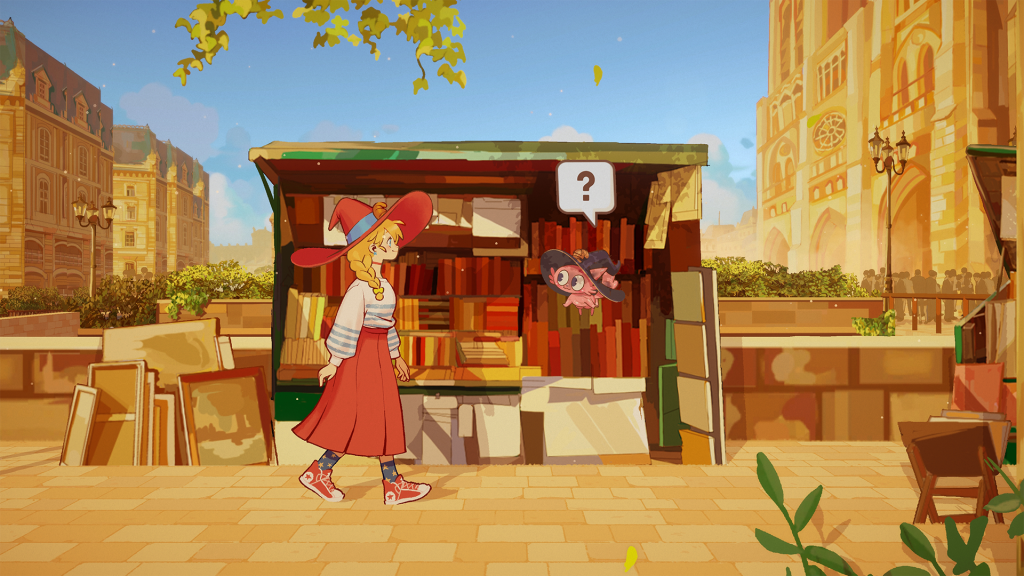
We wanted to create a world where everyone could find their place. By showing different characters, with different stories, cultures, and identities, we hope more players will be able to see a little bit of themselves in someone. We want as many people as possible to discover these characters and, perhaps, find something in their stories that connects with their own experiences.
We also wanted to create a narrative game first, with gameplay that would not be too challenging or create a barrier for players. We wanted it to be approachable and easy to enjoy, so that as many people as possible could experience the story and join Lunne on her adventure. For us, the gameplay supports the narrative, the characters, and the emotions we want to share with players.
The Witch’s Bakery is available now on PC and consoles. Live your most magical life as a witch-baker in Paris, in this 2D narrative Adventure RPG. Serve customers, visit iconic streets, and heal people’s hearts with your croissants!