
It’s time we closed the Pandora’s Box that is Blue Monday (the so-called most depressing day of the year)
Posted: 12 Jan 2026Twenty years later, and Blue Monday is still seen as the most depressing day of the year – but does that do us any good? Spoiler alert, no.
Once a story is out, it’s difficult to change the narrative. Many people won’t read past a sensational headline or investigate the legitimacy of a social media post.
We hear Blue Monday, and we agree! January can be rough, money can be tight, and the weather sucks. The festivities are over. We’re back at work, and honestly, I’m not entirely sure what day it is.
But there’s power in a self-fulfilling prophecy. Our beliefs can influence our actions, which in turn impact events, which can then reinforce our beliefs. And around we go!
If you look for the negative, you will inevitably find it – because life is composed of moments, whether good, bad, or simply mundane. Blue Monday is no different, but if all you’re looking for is blue, you’ll miss the rainbow.
Blue Monday: Fact or Fiction?
Let’s play truth or travel advertising! Is Blue Monday based in science, or was it a marketing ploy by Sky Travel to sell holidays?
Two decades ago, Sky Travel sought the help of psychologist Dr Cliff Arnall, whom they tasked to create a formula for the January Blues. It factored in variables like weather and sunlight, financial debt, time since Christmas, motivational levels, and failed New Year’s resolutions.
Those variables can have an impact on how we’re feeling. Still, the formula lacks any scientific backing, and even Dr Arnall has since distanced himself from the term, saying it was never his intention to make the day sound negative.
“I was originally asked to come up with what I understood to be the best day to book a summer trip, but when I started thinking about what motivates people to book a vacation, and remembering what thousands of people had told me about stress management, there were factors that pointed to the third Monday in January as being particularly depressing… But putting that out into the world wasn’t very helpful. Claiming it’s the most depressing day of the year is almost self-fulfilling.” – Dr Cliff Arnall
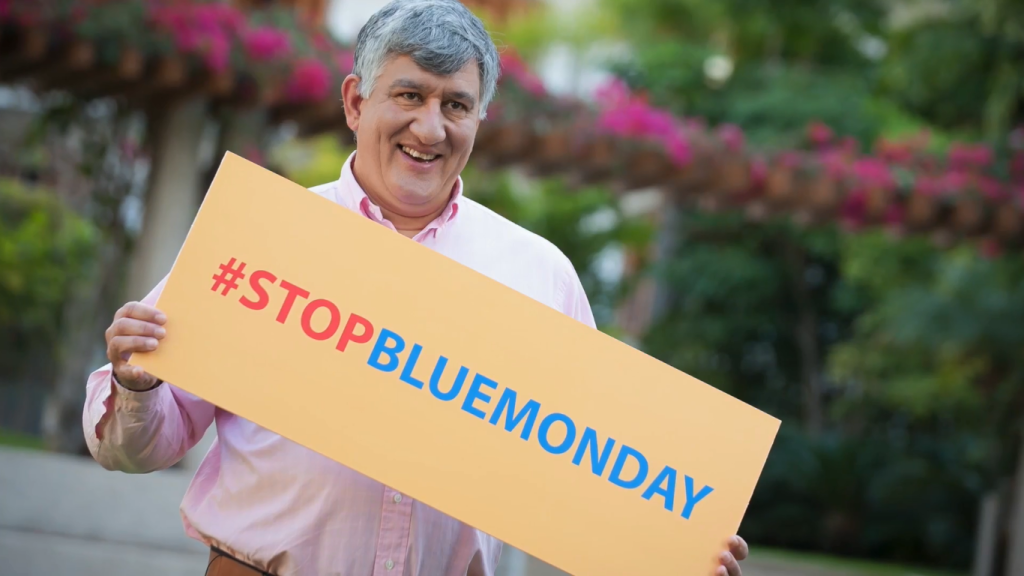
Great marketing, terrible advice
Misinformation is a Pandora’s box. Once Blue Monday was set loose on the world, there was no stopping it, because it’s relatable! Many people feel less jolly in January, and some really struggle.
But the idea of there being a single “most depressing day of the year” trivialises the experience of depression, Seasonal Affective Disorder (SAD), and other mental health challenges. We can’t reduce the experience of depression to one Monday that may or may not be miserable.
Our Rainbow Monday Challenge
We’ve nothing against the colour blue, but let’s make space for the others. This so-called “Blue Monday” lands on January 19th, 2026 – and we have a challenge for you. Let’s switch up the colours!
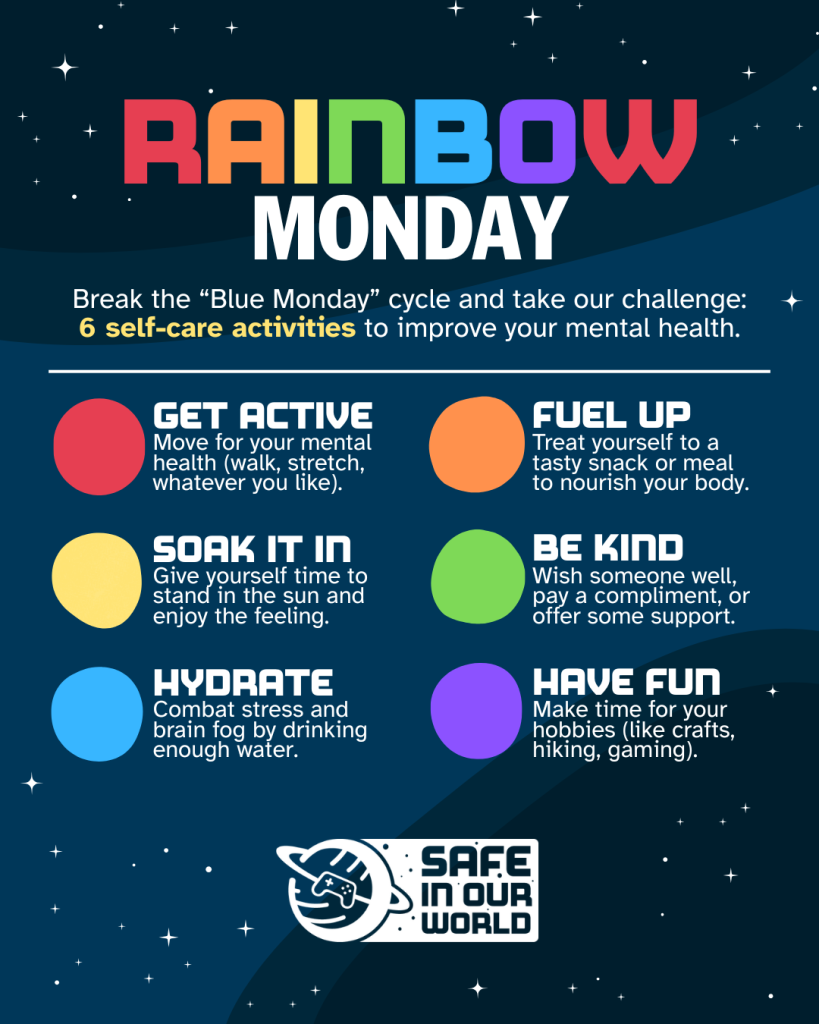
We’ve six suggestions to turn your Blue Monday into a spectrum of colour and joy. Brighten your day, or someone else’s, and help us do away with this harmful narrative for good.
- Move for your mental health! A brisk walk, some stretching, pilates, or a spin class – however you choose to exercise, you’ll be releasing feel-good endorphins.
- Enjoy one of your favourite snacks or a meal. Food can impact our mood, so treat yourself to a snack from your childhood, try a home-cooked recipe, or a nourishing treat to give you energy.
- Stand in the yellow warmth of the sun, light a candle, or cosy up by a fire. Let that warmth spread through you in a moment of mindfulness.
- Send someone a kind message, wishing them well, complimenting them, or letting them know you’re there to talk.
- Stay hydrated. Water is essential to keeping your body healthy, and dehydration can cause brain fog, poor memory, mood swings, and even anxiety.
- Make time for a hobby, be it crafty, outdoorsy, or playing a video game (we’ve lots of indie games you can try from 2025’s Game Dev Champions finalists).
Let us know how you get on. You can join our community Discord server, Safer Together, and join the discussion around mental health and video games.
