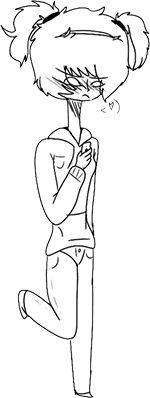
What RSD means to me
Posted: 13 Mar 2024As someone diagnosed last year with ADHD, rejection sensitive dysphoria (RSD) has plagued my life as a silent passenger.
Up until a few years ago, it was assumed that ADHD didn’t exist in AFAB (assigned female at birth) individuals – as a result, there’s a fair few of us now realising that we’ve been carrying additional weight.
When I say “additional weight”, I mean it. RSD can easily be mistaken for depression and anxiety in how it manifests; I knew I didn’t have either, but I also knew it wasn’t “right” to feel this way.
For me, RSD is a bone-crushing weariness from dawn to dusk; an invisible mental anchor strung around your neck. It brings a lack of motivation to innovate because it’s “not worth it”. When I got emotional, I was told I was dramatic, overreacting or weird – or that everyone had this intensity and I just needed to suck it up. I would internally berate myself for feeling things or jumping to the worst case scenario, especially if others said it wasn’t something to worry about…
But one of the worst things you can say is “oh don’t worry about it for now”. You’ve just walked up to a guard dog on duty and shouted “IT’S GO TIME” into its face. I absolutely WILL worry about it; how could I not?! Clearly it’s some kind of threat to the foreseeable future! Within the next hour, I’ll have thought of twenty ways something can go wrong and very few ways something can go right.
What’s happening here (in basic terms) is a feedback loop. If you have a loved one with ADHD, you may be familiar with the way it goes down; it’s cyclical, and that person will return to the same points again and again until they’ve exhausted themselves. It doesn’t matter if you’re being logical, and it doesn’t matter if they know this too; the brain is stuck.
The hamster wheel will keep spinning until long after the hamster has gone to bed; it’s probably spun so hard that it’s in orbit around Jupiter by now.
For me, the answer was both hilarious and retroactively painful when you consider the underfunding of the NHS and mental health research over the last few decades – I needed medication.

From day one of titration, the impact on my mental health was extraordinary. The emotions and the thoughts still rock about, but they’re acknowledged and dismissed as needed. They aren’t overstaying their welcome at the party, and they’re certainly not commanding my attention in the way they did before. I’m amazed at the difference on a daily basis.
I also began to notice the effects on my general wellbeing; I had started up daily yoga and weight disappeared in a way that had never happened before. Pre-pandemic, I’d been a gym goer 2-3 times a week and an avid cyclist, yet would only ever gain muscle. Fat loss wasn’t sustainable and would require miserable levels of eating and exercise; it was frustrating and demoralising. There is a risk with ADHD medication of sudden weight loss, but this didn’t feel sudden. It felt measured over weeks and weeks of exercise. The possible link here? Cortisol.
Cortisol is a hormone produced in the adrenal glands and regulated by the pituitary gland, which plays a crucial role in so many parts of our body. Bone health, immune responses, fight or flight, metabolism, sleep cycles; almost every component of your life is overshadowed by cortisol in some way. In hindsight, no wonder I wasn’t losing any weight; I was a 35 year old ball of nerves vibrating around the planet waiting for the next hyperfocus to distract me. That stress would then skyrocket the RSD, which would kick off more cortisol – and around and around we go.
RSD is the Hollywood loan shark and cortisol is the lackey who hides behind them, cracks their knuckles and goes “yeah, boss!”. RSD is the smouldering ember and cortisol is the cotton wool and lighter fluid. RSD is the one who kicked you over the edge of the cliff, and cortisol’s about to step on your fingers to finish the job.
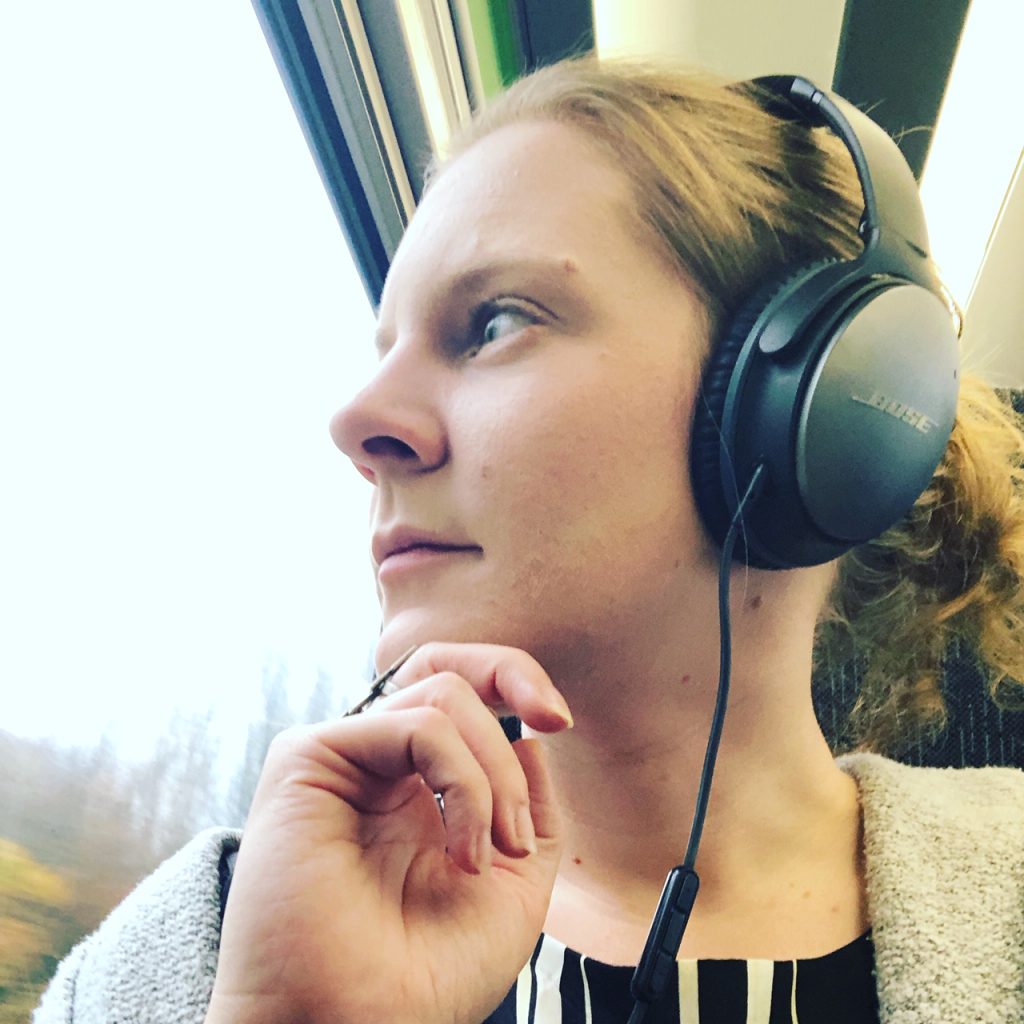
When I started medication, it did a soft reset on the entire relationship; most importantly, it gave me the space to be mindful of stress and the interaction with RSD. I’m nowhere near perfect – I still have bad days and still feel stressed when I’m busy, but the weight behind it has lessened dramatically.
I’ve got a long way to go with other symptoms of inattentive ADHD – but I’m more forgiving of myself because the RSD is being kept quiet and I’m less stressed in general because my brain and body are happier.
Written by Hannah Rutherford, Patron of Safe In Our World