
Four games that made my depression feel seen
Posted: 21 Sep 2024Depression is diagnosed in about 5% of adults every year, with the real statistic likely being higher. With over 50% of the world’s population playing games, what does representation of depression in games actually look like?
Having experienced bouts of depression over the course of my teen years and early 20s, video games were one of the only mediums that made me feel validated and seen. After years of casually playing games on old consoles, I found myself becoming more enthralled with them upon going to university and finding myself with more free time on my hands than I was used to. During my time at university, I went through one of the biggest depressive episodes I’d ever had, drawing me back to the comfort of a controller. It felt like the world was moving, and I was stood still watching everything whizz by.
All of this preamble is to introduce the reality of living with depression, and how it can make people feel. Self-imposed loneliness and isolation was an easy way to add fuel to the fire in my brain, and the depression whispered words of validation while I sank back from society. Video games were one of the only things to make me forget about how miserable I was feeling.
I didn’t necessarily play games that emulated my own despair, but when facing characters struggling through their own trauma, I felt seen. Looking back, there are games I wished I had played when I was at that low point. The least I can do now is share these titles with this community in the hopes that they might offer a sense of belonging to fellow gamers who might be struggling.
1. Until Then
The first title I want to highlight is ‘Until Then‘, one of my recently discovered games that initially captivated me with its art style, but quickly became a game I will hold close to my heart for a long time. Until Then is a single-player narrative adventure game that tackles mental health themes such as anxiety, trauma, and grief, while perfectly capturing the nature of what it is to be human.
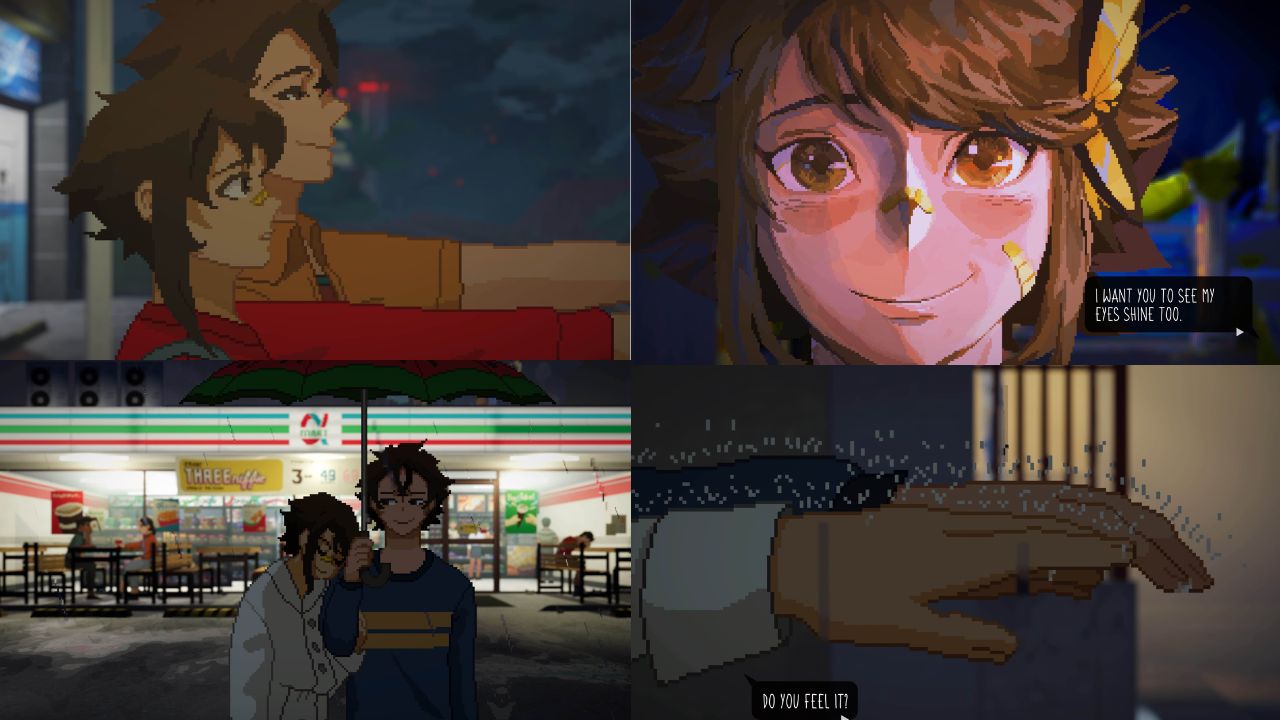
Some of my lowest points were spent in the walls of high school. This game captured the triad of teen angst, immense pressure, and anxiety about being an almost-adult so well, I almost felt familiar habits and anxieties creeping back up while I played.
2. The Longest Walk
I first got my hands on The Longest Walk during Scottish Games Week in 2022. I was not prepared. The Longest Walk is a BAFTA nominated biographical walking simulator game about a real experience of living with depression and suicidal ideation. It’s 9 and a half minutes long, and it is hard to listen to. That said, I’d recommend anyone play it if they feel able to. Sandy had to give me a hug after I played this, it definitely hit hard.
With a lot of depictions of depression, it can be easy to romanticise it, or dismiss the truly gut-wrenching moments with humour or an unusually speedy recovery. For me, depression was unbearable. I felt lost, and alone, and unlovable. This game doesn’t hold back from the “ugly” traits of depression, but it doesn’t lean into them in such a way that players might feel coerced. It tells a story that players are along with for the ride, rather than trying to incite feelings from them.
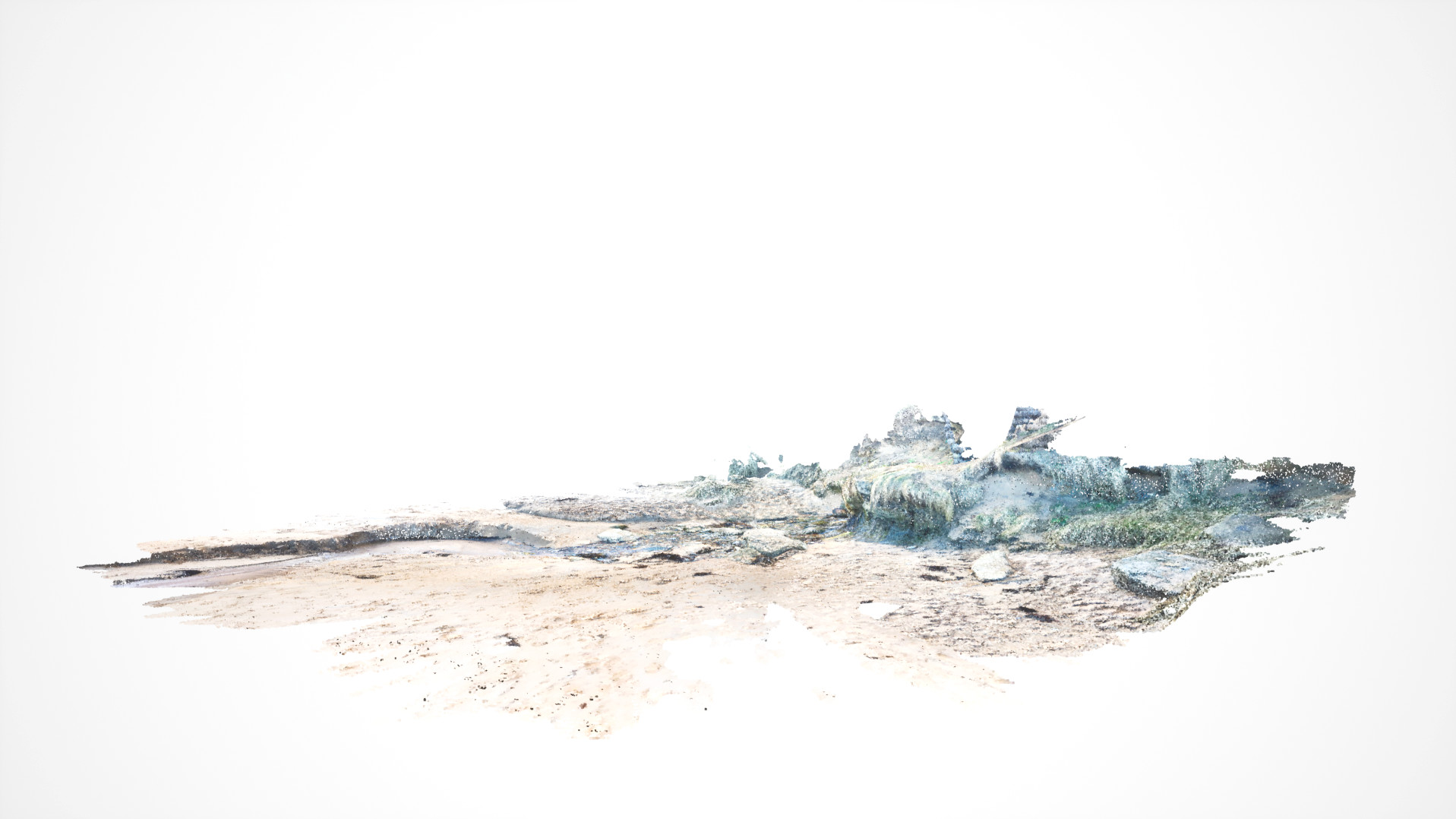
For me, it’s important to try to open up about the moments that we feel most ashamed about. That was one of the only things that helped me feel like I wasn’t broken: learning that I wasn’t on my own. Don’t get me wrong, I didn’t relish the thought of others struggling in the same way I was, but it helped make me feel less alone.
3. Celeste
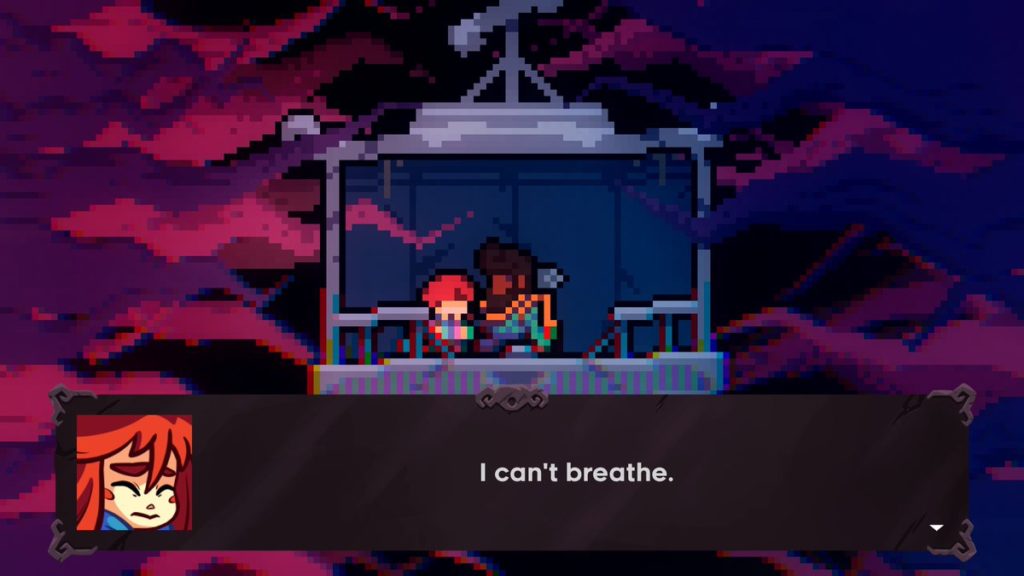
Celeste is one of those games that will be timeless in the intersection between interactive media and mental health. Players navigate a challenging platformer to reach the top of Celeste Mountain as Madeline, who is on a path of self-discovery.
It’s a classic example of a game teaching players self compassion in a way that is hard to reject, even from the darkest of places. Em Aspinall wrote a fantastic piece on their experience with Celeste and mental health, that so beautifully describes their own relationship to Madeline. Having seen so many different ways players have related to Celeste, I couldn’t not include it here.
4. Undertale
Undertale is a delightful example of how hope and belonging can be fostered from even the darkest of corners in the world, especially when you feel like giving up.
This popular indie created by Toby Fox follows a small child after falling down into the Underground, a monster-filled world beneath the surface. For me, the characters are crafted to represent various aspects of our own insecurities, from seeing self-esteem issues in Napstablook, anxiety in Alphys, depression in Asgore, and self-destruction in Flowey and Chara.
I felt like the whole narrative was a cheerleader for my own brain, constantly being the hand that helped me get back on my feet after being knocked down. Undertale offers self-guided morality choices that completely changes the trajectory of the story, which is something I admired a lot. It was a perfect analogy of needing or wanting to be better in yourself, whilst in the support of good people; and that combination of both is critical.

If you’re interested in learning more about games that explore mental health themes, you can visit our Games and Apps page here.

Written by Rosie Taylor
