Autism describes the way some people communicate and experience the world around them. Autism is a group of similar disorders with varying characteristics. The term Autistic Spectrum Disorders is often used to reflect this.
Every autistic person is different, and not everyone will experience the same characteristics as others.
Characteristics of Autistic Spectrum Disorders
Autism can be diagnosed at any age and affects all genders. Common characteristics of autism are:
- differences in communication style to non-autistic people, including differences in eye contact and more direct communication
- differences with how they best listen, concentrate and understand
- frequent repetition of words and phrases
- taking things literally
- difficulty sensing and interpreting people’s feelings
- difficulty expressing feelings
- over or under sensitivity to sound, touch, taste, smell or light, which can lead to overstimulation
- rituals or repetitive behaviours, including stimming
- disliking changes to routine
- difficulty making friends and socialising
Stimming
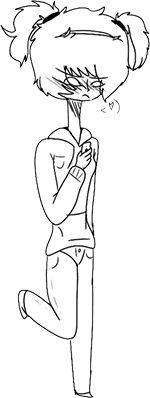
Stimming is a term derived from ‘self-stimulation’, and common examples include hand flapping, vocal noises, rocking or twirling. Stimming can be a behaviour that is a response to both anxious feelings and excitement and happiness. It is something that can self-soothe and allow autistic people to manage excess energy, reduce or gain sensory input.
Stimming is often enjoyable and harmless, and unless is causing a situation to be unsafe, does not need to be intervened with.
How common are autistic spectrum disorders (ASDs)?
In the UK, about 1-2% of the population is autistic, and about 2% of adults in the US are autistic.
What is the cause of autistic spectrum disorders (ASDs)?
The cause is not really known. There is some evidence that it may be passed down in families. Twins and brothers have a higher chance of also being autistic.
There are also some conditions in which ASD is more common. These include Down’s syndrome, Tourette’s syndrome and tuberous sclerosis.
In recent years, there has been speculation that the measles, mumps and rubella (MMR) vaccine may somehow cause autism. However, there is no evidence to support this. The original researcher has now been discredited by the medical governing body – the General Medical Council.
Support for ASDs
Autism is a lifelong disability but is not something that needs to be ‘cured’ or ‘fixed’. However, there are things that can support autistic people in managing day-to-day life and allow them to thrive.
Some adults with ASD manage to work and get by with just a little support. In particular, many autistic people are able to manage well, and live independently or need little support when adult. However, many people may need more substantial support and some people as adults live with parents or family or in a residential home.
Although there are many strengths that come with being autistic, there are challenges that people must face as well. This can include health conditions that co-exist with ASD, or difficulties in societal expectations or misunderstanding in a world built for non-autistic people.
Awareness and education around ASD is critical to creating a more inclusive environment for autistic people, as many people do not fully understand what autism is. This can stem from systemic discrimination, biases and an unwillingness to learn or change. Eliminating stigma and promoting understanding surrounding autism in every setting (public, healthcare, and education for example) can be a great first step to combat this.
Mental health and autism are linked, with 8 in 10 autistic people experiencing a mental health challenge in their life. This can include diagnoses such as anxiety, depression, eating disorders or psychosis.
Charities like Autistica, whose mission is to see all autistic people live happier, healthier and longer lives, are working to identify areas for change to make positive impacts for autistic people.
Resources and Information
How to be more neuro-inclusive at work
The Lab42 Neurodiversity Network
Neurodiversity in the Games Industry
Billie Bust Up – A 3D platformer musical featuring authentic neurodiverse characters
Autism and Game Development – a Safe In Our World podcast episode with JJ Fox
How Deltarune refuses to leave autistic people behind
(Source: Autistica/NHS)